
Licensed · Veteran-Owned · Master Plumber MP211014
Licensed Gas Installation Services in Lilburn, GA
That rotten-egg smell by the meter, a new range with nowhere to connect, a standby generator waiting on fuel - gas is the one system where a shortcut can burn a house down. Stars and Pipes Plumbing Atlanta installs, repairs, and inspects gas lines across Gwinnett County and Metro Atlanta under Georgia Master Plumber License MP211014 - every line sized to its load, permitted, and pressure-tested before it ever carries gas.
- MP211014GA Master Plumber
- Veteran-OwnedFamily-operated since 2024
- 5.0★200+ reviews
- Same-Day24/7 emergency service
Gas work, done to code
Our gas installation & safety services
Whether you're adding an appliance, chasing down a leak, or getting a system signed off, every one of these jobs is performed by a licensed master plumber, permitted, and pressure-tested. Choose the one you need to see what's involved.
- Gas Line Installation New lines for ranges, dryers, generators, and pool heaters - sized to load, permitted, and pressure-tested.
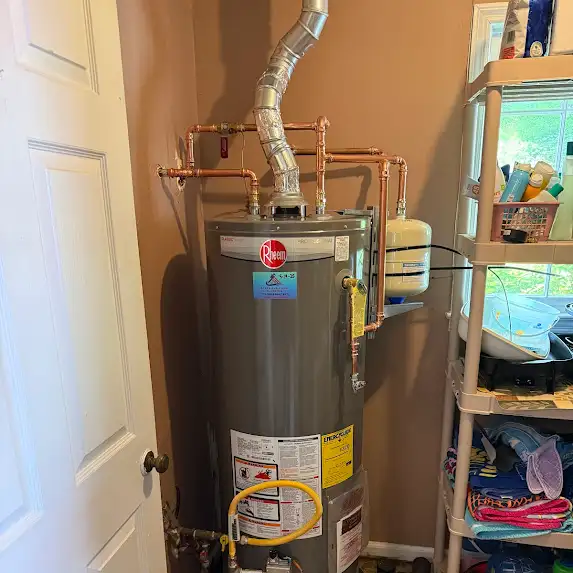
- Gas Water Heater Installation & Replacement Tank and tankless gas water heaters installed to code, with venting and expansion done right.
- Gas Leak Detection & Repair Rotten-egg smell or a hissing line? We locate it, repair it, and re-test before the gas goes back on.
- Gas Safety Inspection Leak checks, pressure tests, venting, and CSST bonding verified - including utility re-light clearance.
Rated 5.0 by Local Homeowners
What our customers say
Why the gas side is different
Licensed, permitted, and pressure-tested - every line
Master-licensed for gas
Gas piping in Georgia is licensed work. It's done here under Master Plumber License MP211014 by a veteran-owned shop - not handed to an unlicensed handyman who can't pull the permit or clear the utility to restore service.
Sized to the real load
Every appliance has a BTU demand. We calculate the load, size the pipe and any meter upgrade, and add the shutoff and sediment trap so the whole system runs safely - not just the newest appliance.
Permit, test, inspection
We pull the county permit, pressure-test the line to prove it holds, and coordinate the inspection. That paper trail is what makes the work legal, insurable, and safe to turn on.
CSST bonded correctly
When flexible CSST tubing is the right choice, it must be bonded and grounded to code - a safety step routinely skipped by the unlicensed. We verify it on every install.
Where we work
Gas service across Gwinnett County & Metro Atlanta
Atlanta Gas Light distributes natural gas across the metro, but the piping inside your home is ours to run and inspect. We do that from our Lilburn base out through Gwinnett - Lawrenceville, Snellville, Duluth, Suwanee - and across DeKalb and North Fulton in Tucker, Decatur, Dunwoody, Johns Creek, and Alpharetta.
Because we're local, we can get to a suspected gas leak quickly and schedule a permitted install without the wait a far-off contractor brings. To check that your address is covered, see the Metro Atlanta communities we serve.
Frequently asked questions
Who can legally install a gas line in Georgia - a plumber, HVAC, or the gas company?
Interior gas piping is licensed work, and we perform it under Georgia Master Plumber License MP211014. Your gas utility (Atlanta Gas Light distributes the gas across Metro Atlanta) owns the meter and the line to it, but they do not run the piping to your range, dryer, or generator - that is the licensed plumber’s job. Hiring an unlicensed installer for gas work is both unsafe and unpermittable.
Do I need a permit for gas line work?
Almost always, yes. New gas lines, appliance additions, and line alterations are permitted and inspected in Gwinnett County and the surrounding jurisdictions. We pull the permit, pressure-test the line, and coordinate the inspection so the work is code-compliant - and so your gas utility will clear the system to be turned back on.
What appliances can you run a gas line to?
Ranges, cooktops, and ovens; gas dryers; tank and tankless gas water heaters; furnaces and boilers; fireplaces and log sets; and outdoor equipment like grills, fire pits, pool heaters, and standby generators. Each appliance has a BTU load, so we size the pipe and confirm the meter can supply everything before we run a new branch.
Black iron pipe or CSST (flexible) - which do you use?
Both are code-approved, and we choose per run. Black iron (steel) is the traditional rigid pipe; CSST is corrugated stainless flexible tubing that routes faster through finished spaces. When we use CSST, it must be properly bonded and grounded to code - a step unlicensed installers routinely miss - which we verify as part of the job.
I smell gas or rotten eggs - what should I do right now?
Treat it as an emergency. Leave the house immediately, don’t flip switches or light anything, leave doors open, and from a safe distance call 911 and your gas utility’s emergency line. Once the area is made safe, call us to locate the leak, repair the line, and pressure-test it before the gas is restored.
Can you convert an electric appliance to gas?
Yes. Converting an electric range, dryer, or water heater to gas means running a properly sized new line from the meter or an existing branch to the appliance location, adding a shutoff and sediment trap, and pressure-testing. We handle the gas side end to end and coordinate the permit and inspection; you’ll want the appliance’s gas model on hand.
How much does gas line installation cost?
It depends on the distance from the gas source, the appliance’s BTU load, and how accessible the route is - a short run to a nearby range costs far less than feeding a generator across the yard. You get one upfront flat price before we start, with the permit and pressure test included. Call 770-398-STAR and we’ll scope it.
Adding a gas appliance - or smell gas?
For a permitted install, call a licensed master plumber for an upfront price. If you smell gas, leave and call 911 first, then us.